Solutions
Data collection for AI, built around your spec.
- Modalities
- Audio · Image · Video · Text · Multimodal
- Reach
- 150+ countries
- Languages
- 500+ locales
- License
- Buyer-owned

What it is
Collected on purpose, not scraped by accident.
Data collection for AI is the deliberate gathering of training and evaluation data from real contributors, under a defined spec, with usage rights recorded before anything is gathered.
The alternative — bulk data pulled from the open web or bought off a shelf — is why teams throw away most of what they acquire: the licensing is murky, the coverage does not match the problem, and the edge cases that decide real-world accuracy are exactly what is missing. Custom collection inverts that. You name the languages, demographics, devices, environments, and failure cases; we source and capture against them.
Modalities
Five ways we collect, one standard behind them.
Each modality has its own page with the collection types, quality considerations, and answers specific to it.




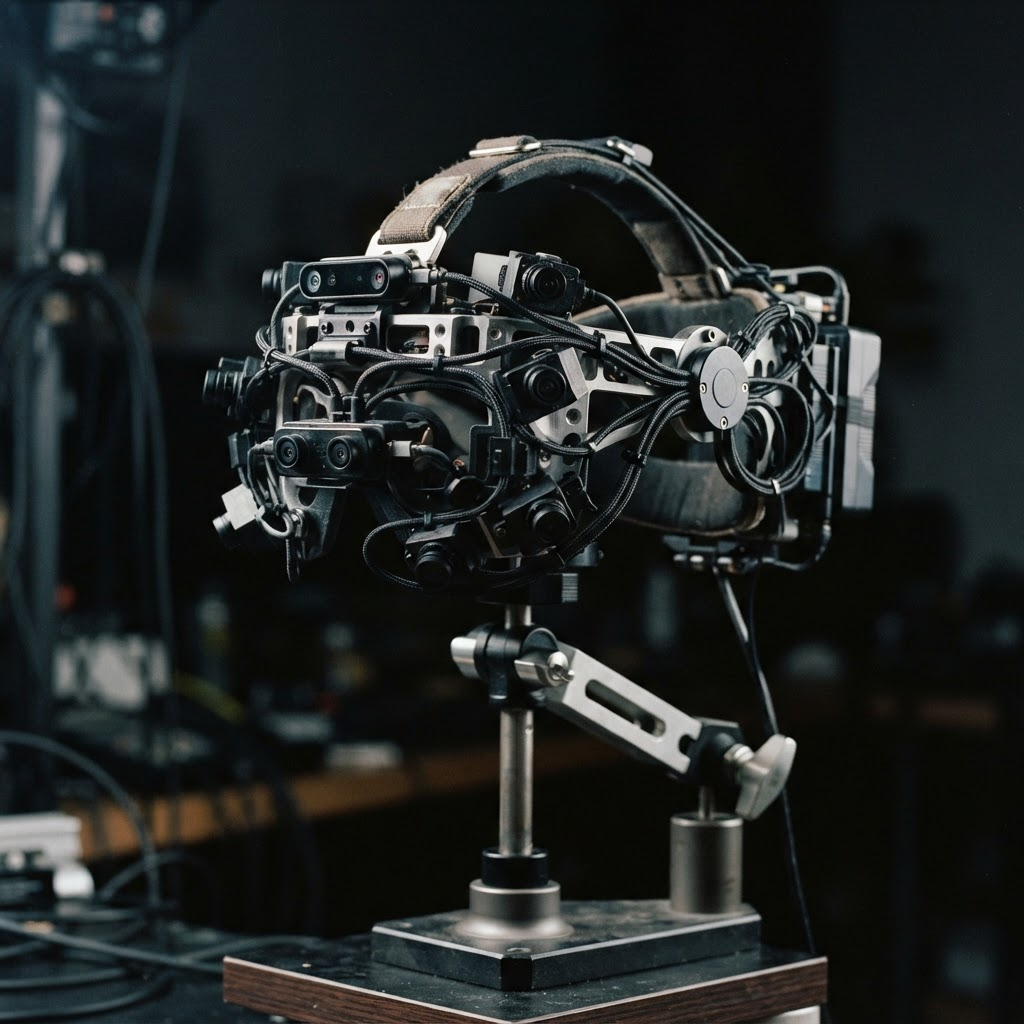

Egocentric first-person video is our core specialism — it has its own data catalog and capture methodology. It also powers our embodied AI training data, robot manipulation data, and pretraining data collection programs. Every batch also ships through our anonymization pass, which is available on its own as a face-blurring and video-redaction service for footage you already hold.
How we run it
The same standards, whatever the modality.
These are the commitments that make a batch usable. Several of them cost us money on purpose — they are the reason the data survives contact with a model.
- Collected to a written spec
- Nothing is gathered speculatively. We agree the target — languages, demographics, devices, environments, edge cases — before a single contributor is briefed.
- Contributors paid hourly
- People are paid for their time, including setup and retakes, not a bounty per item. A per-item rate optimises for volume and quietly wrecks quality.
- Documented, informed consent
- Every contributor signs a release granting the usage rights you need before collection begins. You receive the consent artefacts with the batch.
- Discard rather than downgrade
- If an item cannot meet the spec or a bystander cannot be de-identified, it is dropped — not shipped at a discount to pad the count.
- Multi-layer QA with a visible reject log
- Automated checks plus human review, and you see the reject reasons, not just the accepted items.
- Buyer-owned commercial license
- You receive a perpetual, buyer-owned license with a data card recording jurisdictions of capture and the consent basis.
Reach
Worldwide, without borrowing anyone's headcount.
Collection is sourced through a vetted global crowd across 150+ countries and 500+ languages. We describe that reach qualitatively on purpose — a contributor count is easy to print and impossible for you to audit, so we point you at what matters instead: whether we can reach the specific speakers, regions, and devices your project needs.
For deep segments — common languages, mainstream devices, everyday environments — collection starts quickly. For thin or under-served ones — low-resource languages, specific clinical or industrial settings, rare demographics — staffing is the bottleneck, and we quote a realistic timeline rather than a hopeful one. Either way, you get the estimate before you commit.
FAQ
Questions buyers ask first.
- What is data collection for AI?
- Data collection for AI is the deliberate gathering of training and evaluation data — speech, images, video, text, or synchronized sensor streams — from real contributors under a defined specification, with the rights to use it recorded up front. Done well it targets exactly the languages, demographics, devices, and edge cases a model needs, rather than whatever happened to be available to scrape.
- What types of data can Firsthand collect?
- Audio and speech, image, video (including egocentric first-person capture), text and language, and multimodal or sensor data. Egocentric video is our core specialism; the other modalities are collected through the same spec-first, consent-documented process. If your need does not fit a neat category, our custom-collection service designs the program around it.
- How is this different from buying an off-the-shelf dataset?
- Off-the-shelf datasets give you whatever was collected for someone else — usually with unclear licensing and coverage that does not match your problem. Custom collection starts from your spec: the exact languages, conditions, devices, and edge cases you need, collected by paid contributors with signed consent, and delivered with a buyer-owned commercial license and a visible reject log.
- Where do you collect data?
- Worldwide. Sourcing runs through a vetted global crowd across 150+ countries and 500+ languages, so we can reach speakers, regions, devices, and demographics that generic datasets miss. Thin or under-served segments take longer to staff, and we give you the realistic timeline before you commit rather than promising coverage we cannot yet reach.
Tell us what you need collected.
Bring the spec, or the problem you cannot find data for. You will get a scoped estimate — modality, reach, timeline, and price — before any commitment.