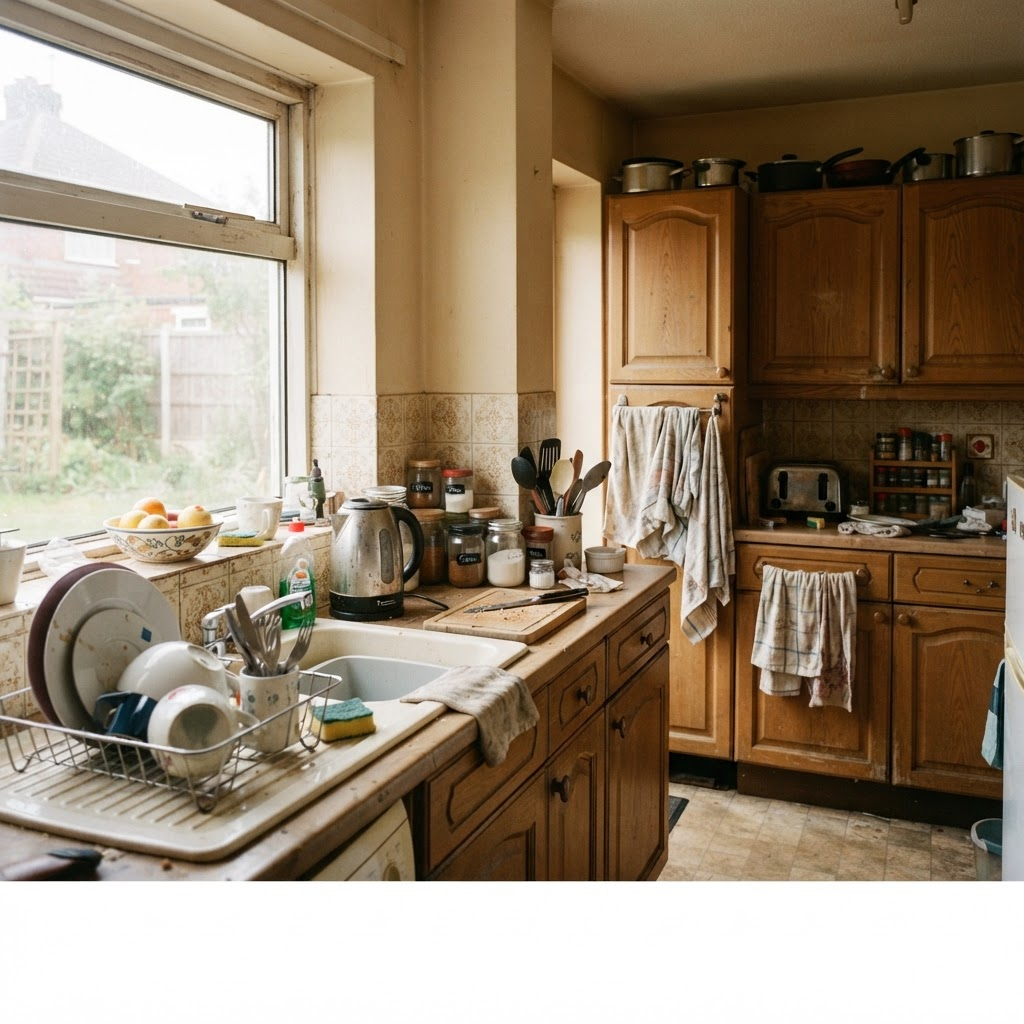
- What is egocentric cooking video data collection?
- The custom capture of first-person video of people cooking and preparing food, by paid, consented contributors wearing a capture rig, doing the tasks named in a written skill spec, and delivered with synchronized streams, action segments, hand pose and consent and anonymization records.
- How is this different from the egocentric kitchen video dataset?
- The kitchen video dataset is a fixed, shipping corpus you can review. A custom cooking collection is scoped by written spec to the dishes, tools, kitchens and participants your model is missing, with no fixed corpus size.
- What makes cooking harder to capture than other manipulation tasks?
- Hands occlude the food and tools, steam and wet or reflective surfaces degrade depth, dough and produce change shape, and a recipe is a long chain of dependent steps. Hand pose with visibility flags, depth confidence maps, per-frame instance masks and ordered action segments address these.
- Which cooking tasks can be captured?
- The kitchen task categories this site documents: knife work, pouring and decanting, opening jars and packaging, stovetop transfer with a loaded pan, wiping and resetting a surface, loading and unloading a dishwasher, and bimanual dough handling. A task outside that list is settled in the skill spec and a Spec Pilot.
- How do you specify a recipe for a custom collection?
- The skill spec names the task and its sub-steps in order, the kitchen type, the ingredients and tools, where an attempt starts and ends, what counts as complete, and which failure and recovery cases to include. It is quoted for reach, timeline and price before capture begins.
- Do you provide food-state, liquid-level, force or thermal labels?
- Not stated. The delivered fields are action segments, 3D hand pose with visibility flags, contact events, objects and per-frame instance masks, plus depth confidence maps and an episode-level steam flag. No food-state, liquid-level, force, tactile or thermal data is listed.
- How is privacy handled when capturing in real kitchens?
- Every contributor signs a release and every episode links to it. Faces, plates and screens are detected and irreversibly blurred at ingest with reviewer confirmation, and footage that cannot be de-identified is discarded.
- How fast can a first batch arrive, and who owns the data?
- A median of a median of 48 hours from signed spec to first validated batch where coverage is deep, and three to four weeks where it is thin. The buyer owns the delivered data under a perpetual, non-exclusive commercial license by default, with exclusivity available, in RLDS, LeRobot, WebDataset, HDF5, zarr or Rerun .rrd.