Electronics assembly

Egocentric Electronics Assembly Video Data

Placing a component, seating a connector, fastening a housing: electronics assembly is small parts and small motions, mostly hidden behind the fingers doing them. We collect custom egocentric video of electronics assembly on demand, to a written skill spec, with synchronized streams, action segments, anonymization and a buyer-owned license.
Tasks
Board, connector, housing and harness work, as the catalog lists it
Streams
Ten, synced under 2 ms
First batch
Median 48 h in deep-coverage settings
License
Perpetual, buyer-owned
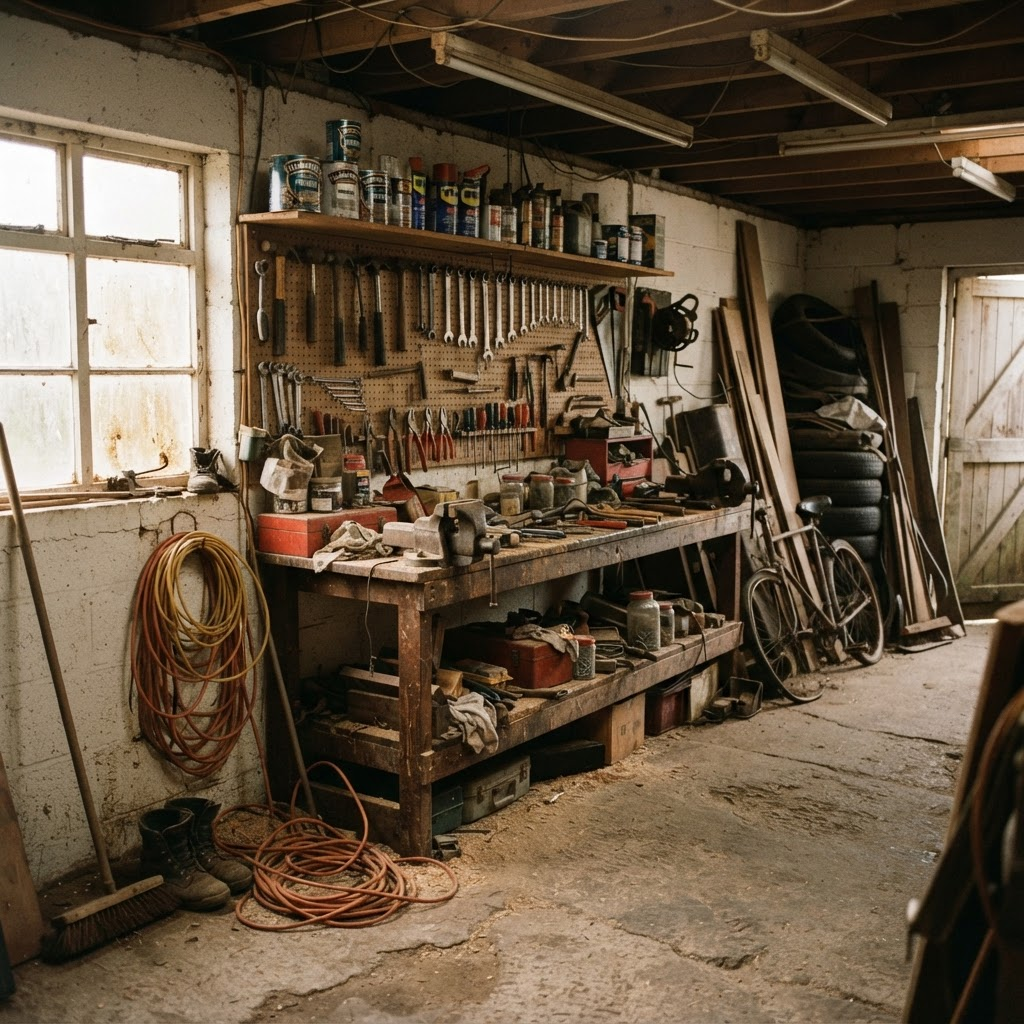
A garage workshop bench with a vise, hand tools on a pegboard and real clutter, seen from a first-person viewpoint.
Head-worn capture keeps the hands and the work surface in view from the contributor’s own point of view. The image shows a general workshop bench, not an electronics station.

Requirements

What does electronics assembly need that general bench assembly data does not?

01

Small parts in view at the moment of contact

Placing a component, seating a connector and pressing it home happen at fingertip scale. First-person capture keeps both hands and the part in frame, and 3D hand pose carries a per-joint visibility flag so a finger hidden behind a part is flagged rather than guessed.

02

A spec that names the step and the part, not just "assembly"

The site’s skill-spec guide says to name the verb and the noun rather than a broad activity. A spec for this family names the step and the item, such as press-fitting a connector onto a board or snapping two housing halves together, and where one completed step starts and ends, so each can become its own labeled segment.

03

Depth limits stated up front

The site states that small fasteners can fall below a depth sensor’s reliable floor, that hand pose stays valid at that range, and that metric depth on sub-centimetre parts is flagged rather than interpolated. For small-parts work that is the limit to plan around.

04

Reject rules written before capture, not after

An item is rejected when the manipulated object is out of frame for too much of the episode, when depth is invalid over too much of the manipulation region, or when an undocumented bystander appears. The thresholds are agreed in the spec, so the batch is judged against terms you signed.

Definition

What is egocentric electronics assembly data?

Egocentric electronics assembly data is first-person video of a person assembling electronics by hand: placing components on a board, seating and press-fitting connectors, fastening and snapping housings, routing and clipping a harness, and similar bench steps. It is recorded from the contributor’s own point of view with synchronized sensor streams alongside. The camera sits on the head, close to what a robot’s onboard camera would see over a workbench, so the frames show what the hands and the small parts do rather than a distant view of someone standing near a bench. On this site it is a custom collection: you name the task, the part, the setting and the steps involved, and capture is run to a written skill spec.

The data is human capture. A paid, consented contributor wears the rig and performs the task. It is not robot or teleoperation data, and it is not a fixed corpus you download. This page is narrower than assembly task data in general, which covers fastening, measuring, press-fit and wire work on a bench, narrower than manufacturing workflow data, which covers whole production procedures, and different from screwdriving and fastening data, which centres on drivers and fasteners, and from cable routing and wiring data, which centres on cables and terminations. The subject here is the electronics rows of the site’s task catalog, and what the site states about capturing, labeling and checking them.

People reach this topic through close cousins: electronics assembly robot training data, a PCB handling video dataset, egocentric small-parts assembly data, or custom electronics assembly data collection. They describe one request from different angles, and the work is the same: write down the task, collect it on demand, and receive validated episodes. Nothing on this page states that the video carries a part-identification, defect, seating-confirmation, torque or force label.

Why it matters

Why do robots need first-person video of electronics assembly?

NVIDIA’s GR00T N1 paper describes a data pyramid with web data and human video at the base, synthetic data in the middle and real robot trajectories at the top. First-person human video of assembly work sits in that base layer. Human capture does not replace robot data, and this page does not claim that it does.

Electronics assembly asks a hand to do three things at once on a very small scale: find a part, orient it, and apply the right amount of motion at the right place. A clip that shows a hand somewhere near a board does not carry what a policy needs. The hand, the part and the moment of contact all have to be present in the episode, and the episode has to say where one step ends and the next begins. That is the difference between footage of someone building a device and an episode a model can learn a step from.

Breadth matters as much as volume. Generalist’s GEN-0 write-up makes a point about data in different words: "data quality and diversity matters more than sheer volume." For electronics work that points at the spread of steps, parts and conditions. A custom collection lets you aim at the step your model is missing, such as press-fitting connectors or seating a housing, rather than hoping a broad bench collection happens to contain it. This page does not claim that any particular public corpus lacks electronics assembly.

Electronics tasks

Which electronics assembly tasks can be captured?

The first table below reproduces the electronics rows of the site’s commercial task catalog exactly as the catalog states them, plus two adjacent plastic and light-assembly rows. Each is listed with a skill level, a capture setup and a status. Nineteen rows sit in two environments. "Electronics Manufacturing & E-Waste" lists four, and "Precision Assembly Bench (electronics)" lists fifteen. The bench environment is described in the catalog as "Assembly bench: PCB/electronics, fasteners, fixtures, solder/crimp tools, small parts".

The board and connector rows are the closest match to the query. "Circuit board assembly" reads "Place components on the board, seat connectors and secure parts before soldering." "Press-fit connectors" reads "Place and press connectors onto a PCB." "Solder through-hole" reads "Solder through-hole components to a board." "Component soldering" is listed in the manufacturing environment as "Solder components to the board with an iron and solder wire, trim leads and inspect joints." These are catalog listings of tasks a contributor performs. The page makes no statement about soldering safety, solder alloys, or how a joint is judged, because the site makes none.

Around them sit housing, harness and fastening rows: "Device manufacturing" (assemble device housings, fit boards and cables, fasten screws and test the unit), "Screw-fasten housing", "Snap-fit housing", "Assemble subassembly", "Place into fixture", "Peg-in-hole insert", "Busbar + limit-block + screws", "Torque to spec", "Route + clip harness" and "Crimp connector". Two bench rows cover materials, "Apply adhesive bead" and "Apply paste + heatsink", and three cover handling and logistics, "Kitting to BOM", "Label + scan unit" and the disassembly row "E-waste disassembly and sorting". The disassembly row unscrews and pries open devices and removes boards and batteries, so it is electronics handling rather than assembly, and it is listed for completeness.

Every one of the nineteen rows is marked "Available on request" rather than "Ready to deploy" or "Active collection", and the page keeps that wording. Two plastic and light-assembly rows are marked ready to deploy: "Assemble and fasten plastic components using electric screwdrivers and assembly jigs" and "Consumer goods assembly". They are not electronics rows and are included only so you can see the neighbouring family. Retail rows whose examples mention an electronics shop are shop-floor tasks and are not part of this page.

The second table shows where the site itself names electronics, boards or small parts: the catalog, the assembly pages and the tool-use dataset. It is there so you can see which statements are specific to electronics and which are about bench work in general. The tool-use and assembly dataset lists its environments as a home workshop, a maker bench and a small production cell, with skills such as driver and bit selection, press-fit and interference assembly, and wire strip, crimp and terminate, and it does not name boards or electronics. The site does not describe a board type, a component type, a connector family, a part count or a unit under assembly for any of these rows, so none is stated here. A task outside these rows is settled in a Spec Pilot rather than assumed. The catalog is a list of what is captured or available, not a ceiling on what can be briefed.

Capture setup

What capture setup and streams are used?

An electronics assembly collection uses the same capture stack as every Firsthand program. The instrumented tier is a head-mounted stereo rig that records first-person RGB, with a metric depth stream recovered from the calibrated stereo rig rather than from a standalone depth sensor, and 6-DoF IMU data at 200 Hz from head- and wrist-mounted sensors. The wider stack is ten streams: a 4K head camera, two wrist cameras, depth, IMU, 3D hand and body pose, instance segmentation and action labels, hardware-aligned under 2 ms. The two wrist cameras give a second, closer view of the hands than the head camera alone, which matters when a fingertip presses a connector home or steadies a part against a fixture.

Every stream is hardware-triggered onto one PTP clock domain, so depth, motion and hand pose line up with the same video frame rather than being approximated afterwards. The rig is calibrated twice per session, before capture starts and after it ends, and an episode is accepted only if RMS reprojection stays under 0.28 px. The catalog lists the capture setup per task. The four manufacturing rows list a head-mounted phone or multiview rig, and the fifteen bench rows list a multiview rig with handheld grippers. The site does not describe the handheld grippers, so this page does not either. Which tier applies to your program is set in the skill spec.

The site does not state a camera count, resolution or frame rate specific to electronics work. Force and tactile readings are not among the streams, no thermal or temperature stream is among the ten, and no robot or teleoperation data is captured. The site’s comparison page lists capture at your own facility as not offered, saying instead that paid, consented contributors capture where the task happens, so this page does not describe capture on a customer’s own line.

Labels

Which labels and annotations are available?

Each attempt is delivered as one episode. Inside it, action segments divide the episode into start- and end-timestamped spans, each carrying start_ns, end_ns, verb and noun. For this task family a segment can be one step as written in the skill spec, so a connector sequence becomes a run of labeled steps such as pick, align, seat and press rather than one long clip. The other standard fields are hand_joints and hand_visible for 3D hand pose, contact_events for the moment the hand meets an object, objects, and instance_masks, stored at the depth resolution of 848×480 so they line up with the depth stream.

Hand pose is delivered for both hands with a per-joint visibility flag for occluded fingers. That is the label that carries the two-handed structure of bench work: where one hand steadies the board or housing while the other places, presses or fastens. The site describes contact events as the moment the hand meets the item, and does not say whether a board, a connector or a tool counts as the item, so the spec is the place to settle what a contact event means for your task.

The site also lists an objects field in each episode. It does not say that the field records a part number, a component type or a bill-of-materials reference, so this page does not claim part identification. Instance masks are delivered where the spec calls for them, and the site states no mask accuracy figure for small parts.

The site does not list labels for the quality of a result. There is no stated label for whether a connector is fully seated, whether a part is correctly placed, a solder joint is acceptable or a housing has snapped shut, no defect label, no fastening-torque value or torque-wrench reading, no contact force or pressure reading, and no task-completion score. Catalog descriptions such as "Torque to spec" or "inspect joints" describe the task the contributor performs, not a delivered measurement.

Stated limits

What does the site state about the hard parts of recording small-parts assembly?

Several limits the site already states apply directly to electronics capture, and several it leaves open. Each stated limit below appears elsewhere on the site rather than being introduced here.

Depth on small parts is the first. The assembly pages state that small fasteners can fall below a depth sensor’s reliable floor, that hand pose stays valid at that range, and that metric depth on sub-centimetre parts is flagged rather than interpolated, so you know where the depth stream stops being trustworthy. Many components and connectors are that small, so this limit is the one to plan around. The site also says depth degrades on wet and reflective surfaces and is handled with per-frame confidence maps. It does not say how depth behaves on boards, connectors, metal or other bench surfaces.

Hand occlusion is the second. Fingers disappear behind parts in manipulation, which is why 3D hand pose carries a per-joint visibility flag, and a hand closing around a connector or a housing is an everyday case in this family. A hidden finger is flagged rather than guessed.

The third is the set of machine-checked reject criteria. An episode is rejected for a sync breach beyond the ceiling for more than three consecutive frames, calibration drift beyond tolerance, the manipulated object out of frame for more than 15 percent of the episode, more than 35 percent invalid depth pixels in the manipulation region, an undocumented bystander, or a mismatch against the named skill spec. A human reviewer then checks each episode against the task spec. A small part held close to the palm is exactly the case the out-of-frame rule exists for, so agree what must stay visible before capture.

QA, consent and anonymization

How do QA, consent and anonymization apply on assembly benches?

Validation runs against signed accept criteria written into the spec before capture. Each batch goes through per-batch QA and a reject log ships with it. Only footage that clears the criteria is billed as a validated hour, and rejected items are recaptured at our cost. Many teams start with a Spec Pilot, a small, fast first batch that proves the spec and the accept criteria on real footage before volume scales.

Every contributor signs a written release before capture, and each delivered episode links to that record through consent artefact IDs in the batch data card. The consent chain has six checkpoints, from before capture to after delivery, and a break at any one discards the footage rather than shipping it at a lower grade. At ingest, automated detection finds faces, plates and screens and blurs them irreversibly, and speech is scrubbed of names, addresses and card numbers while ambient audio is kept. A human reviewer confirms that no un-consented person is identifiable in any frame, and footage that cannot be de-identified is discarded. The anonymization record is delivered with the data.

Assembly benches add their own conditions. Screens are a listed blur category, and a unit under test or a nearby monitor may show one. The site does not say whether a small device display is treated as a screen, so raise it in the spec if it matters. Boards and parts can carry printed text, part numbers and serials. The site does not list printed text on parts as a blur category, so this page does not claim it is blurred. The listed categories are faces, plates and screens. If markings on a board matter for your use, or if a design is proprietary, raise it in the spec so the handling is agreed before capture.

On safety and qualification, the site states no electrostatic discharge protocol, no cleanroom or contamination protocol, no soldering safety guidance, no industry workmanship standard and no certification for any electronics row, and this page does not describe one. Nor does it state that contributors are qualified electronics assemblers. If your program needs terms about who performs the work, the equipment used or the conditions under which it is done, raise them when you scope it. None of this is legal advice, and the executed agreement controls.

Delivery and speed

How fast can a custom electronics assembly dataset be delivered?

From signed spec to first validated batch, the timeline is a median of 48 hours where coverage is deep and three to four weeks where it is thin and contributors need to be recruited first. Speed comes from a warm pipeline, not from cutting consent, review or anonymization. After the first batch, on-demand top-ups run against the same accept criteria, so you can add more steps, parts or settings without rewriting the spec. The site does not state a turnaround for those later batches, so plan them in your quote.

All nineteen electronics rows are marked "Available on request", which means the contributor pool and setting for them are confirmed when you scope the request. Whether a given electronics program lands in the median or in the three-to-four-week range is therefore a scoping question, and the page does not promise the faster figure for it.

Delivery is in the format your stack already reads: RLDS, LeRobot, WebDataset, HDF5, zarr or Rerun .rrd, or raw streams with metadata. Readable converter source ships alongside the data so the schema can be retargeted to your own loader. Collections are billed per validated hour.

The license is perpetual, irrevocable and worldwide, with the data buyer-owned and non-exclusive by default. Training, evaluating, fine-tuning and deploying models, including commercial ones, is permitted, and exclusivity is available as a separate term. The executed agreement controls. The site does not publish a price list, a minimum order or a batch size for this task family, so those are set in your quote.

Not stated

What does an electronics assembly collection not include?

Where this site does not state something, this page says "not stated" rather than filling the gap. The table below separates what is delivered from what is not stated. There is no listed label for part identification, connector seating, placement correctness, defects, solder joints, torque or force, no force or tactile stream, no board, component or connector specification, and no part count. There is no stated electrostatic discharge, cleanroom, soldering safety or workmanship standard, and no certification. Nothing here claims a training outcome or a model improvement.

The tradeoff to plan for is the embodiment gap between a human hand and a robot end-effector, which retargeting or pairing with robot data has to close. Small-parts work widens it, because a fingertip does things a gripper does not. Counts of contributors, hours and tasks are set in your skill spec.

Getting started

How do you scope and request a custom electronics assembly dataset?

Describe the parts, the steps, the setting and the variation or failure cases your pipeline is missing. That becomes a written skill spec, quoted for reach, timeline and price before any capture begins, and most programs run a Spec Pilot first. The scoping checklist below maps the parts of a skill spec onto an electronics request. A published sample recording is on the sample data outputs page if you want to see the streams before you write a spec.

Three choices matter most for this family. Name the step and the item rather than a broad activity, because that is what lets each step become one action segment. Name the setting and the capture tier, since the catalog lists a head-mounted phone or multiview rig for the manufacturing rows and a multiview rig with handheld grippers for the bench rows. And name what has to stay in view and for how long, because small parts sit close to the palm and the out-of-frame rule applies to the manipulated object.

Capture setup

What is the capture setup for an electronics assembly collection?

The capture setup as stated on this site, applied to electronics work. Counts of contributors and hours are set in the skill spec.
PartAs stated on this site
Instrumented rigHead-mounted stereo rig worn by the contributor; first-person RGB
StreamsTen: 4K head camera, two wrist cameras, depth, IMU, 3D hand and body pose, instance segmentation, action labels
SyncHardware-triggered onto one PTP clock domain; aligned under 2 ms
DepthMetric depth recovered from the calibrated stereo rig; per-frame confidence maps are shipped
Small partsMetric depth on sub-centimetre parts is flagged rather than interpolated; hand pose stays valid
IMU6-DoF at 200 Hz from head- and wrist-mounted sensors
CalibrationTwice per session; accepted only under the 0.28 px RMS reprojection gate
MasksPer-frame instance masks where the spec calls for them, stored at 848×480
Catalog capture setupPhone (head-mounted) / multiview rig for the four manufacturing rows; multiview rig + handheld grippers for the fifteen bench rows

Every collection runs through the same seven-stage end-to-end custom collection pipeline.

Task variations

Which electronics assembly tasks does the catalog name, and what is captured?

Nineteen electronics catalog rows reproduced as the catalog states them, followed by two adjacent plastic and light-assembly rows that are not electronics. The table lists the first group in catalog order within each environment.
Task (as listed)Description (as listed)EnvironmentSkill levelCapture setupStatus
Circuit board assemblyPlace components on the board, seat connectors and secure parts before soldering.Electronics Manufacturing & E-WasteMediumPhone (head-mounted) / multiview rigAvailable on request
Component solderingSolder components to the board with an iron and solder wire, trim leads and inspect joints.Electronics Manufacturing & E-WasteHardPhone (head-mounted) / multiview rigAvailable on request
Device manufacturingAssemble device housings, fit boards and cables, fasten screws and test the unit.Electronics Manufacturing & E-WasteMediumPhone (head-mounted) / multiview rigAvailable on request
E-waste disassembly and sortingUnscrew and pry open devices, remove boards and batteries and sort materials into bins.Electronics Manufacturing & E-WasteMediumPhone (head-mounted) / multiview rigAvailable on request
Press-fit connectorsPlace and press connectors onto a PCB.Precision Assembly Bench (electronics)MediumMultiview rig + handheld grippersAvailable on request
Solder through-holeSolder through-hole components to a board.Precision Assembly Bench (electronics)HardMultiview rig + handheld grippersAvailable on request
Crimp connectorCrimp a terminal onto a wire.Precision Assembly Bench (electronics)HardMultiview rig + handheld grippersAvailable on request
Route + clip harnessRoute conductors to a form board and clip.Precision Assembly Bench (electronics)MediumMultiview rig + handheld grippersAvailable on request
Screw-fasten housingFasten a housing with a driver to torque.Precision Assembly Bench (electronics)MediumMultiview rig + handheld grippersAvailable on request
Snap-fit housingSnap two housing halves together.Precision Assembly Bench (electronics)MediumMultiview rig + handheld grippersAvailable on request
Assemble subassemblyStack, align, and fasten a subassembly.Precision Assembly Bench (electronics)MediumMultiview rig + handheld grippersAvailable on request
Place into fixturePlace a part precisely into a fixture.Precision Assembly Bench (electronics)MediumMultiview rig + handheld grippersAvailable on request
Peg-in-hole insertInsert pegs/dowels into holes.Precision Assembly Bench (electronics)MediumMultiview rig + handheld grippersAvailable on request
Busbar + limit-block + screwsPlace a busbar and limit block, drive the screw sequence, then remove the block.Precision Assembly Bench (electronics)HardMultiview rig + handheld grippersAvailable on request
Torque to specTorque bolts with a torque wrench.Precision Assembly Bench (electronics)MediumMultiview rig + handheld grippersAvailable on request
Apply adhesive beadDispense an adhesive bead on a path.Precision Assembly Bench (electronics)MediumMultiview rig + handheld grippersAvailable on request
Apply paste + heatsinkApply thermal paste and seat a heatsink.Precision Assembly Bench (electronics)MediumMultiview rig + handheld grippersAvailable on request
Kitting to BOMPick parts to a tray per a BOM.Precision Assembly Bench (electronics)EasyMultiview rig + handheld grippersAvailable on request
Label + scan unitApply a barcode label and scan.Precision Assembly Bench (electronics)EasyMultiview rig + handheld grippersAvailable on request
Assemble and fasten plastic components using electric screwdrivers and assembly jigs (adjacent, not electronics)Fit plastic parts in the jig and fasten them with an electric screwdriver.Plastic & Light-Assembly ManufacturerNot restatedPhone (head-mounted) / multiview rigReady to deploy
Consumer goods assembly (adjacent, not electronics)Assemble consumer products from components on the bench, fasten and check each unit.Plastic & Light-Assembly ManufacturerNot restatedPhone (head-mounted) / multiview rigReady to deploy

Where electronics work is named

Where does the site name electronics assembly, boards or small parts, and in what words?

Each statement is quoted or closely paraphrased from a page or data file on this site.
WhereWording on the siteWhat it tells you
Commercial task catalog: manufacturing"Circuit board assembly: Place components on the board, seat connectors and secure parts before soldering." in Electronics Manufacturing & E-WasteBoard, component and connector work, listed as available on request
Commercial task catalog: benchPrecision Assembly Bench (electronics): "Assembly bench: PCB/electronics, fasteners, fixtures, solder/crimp tools, small parts"The bench setting and its fifteen rows
Assembly task data pageFastening, measuring, press-fit and wire work, bench-side, with 3D hand pose and action segmentsThe general bench neighbour; this page is the electronics subset the catalog names
Tool use and assembly datasetEnvironments: home workshop, maker bench, small production cell; metric depth on sub-centimetre parts is flaggedGeneral bench work and the small-parts depth limit; boards are not named
Screwdriving and fastening data pageDriving screws and seating fasteners with a driverThe fastening neighbour
Cable routing and wiring data pageRouting, clipping, plugging and terminating cables and wiresThe cable neighbour
Capture at your own facilityListed as not offered on the comparison page; contributors capture where the task happensNo capture on a customer’s own line is stated
Electrostatic discharge, cleanroom or workmanship standardsNot statedSettled in the skill spec

Streams and labels

Which streams and labels are delivered for electronics work, and which are not stated?

Delivered items are stated elsewhere on this site. Items marked not stated are not promised on this page.
Stream or labelWhat it gives an electronics episodeStatus
Head and wrist camerasFirst-person view of the task plus a closer view of the handsDelivered
Depth with confidence mapsSurface geometry, with a confidence map; sub-centimetre parts flaggedDelivered
6-DoF IMU at 200 HzHead and wrist motion aligned to the video frameDelivered
3D hand pose with per-joint visibility flagsBoth hands across the step; occluded fingers flaggedDelivered
Contact eventsThe moment the hand meets an itemDelivered
Action segments (start_ns, end_ns, verb, noun)One labeled span per stepDelivered
Per-frame instance masks (848×480)Part and board masks where the spec calls for themDelivered where specified
Consent artefact IDs and anonymization recordProvenance per episodeDelivered
Part number or component identificationNot listed; the objects field is not described as recording oneNot stated
Connector seating or placement correctnessNot listedNot stated
Defect or solder-joint quality labelNot listedNot stated
Torque value or torque-wrench readingNot among the listed streamsNot stated
Contact force, pressure or tactile readingsNot among the listed streamsNot stated
Thermal or temperature streamNot among the ten streamsNot stated
Robot or teleoperation dataHuman first-person demonstrations onlyNot captured
Counts of contributors, hours and tasksSet per program in the skill specNot stated

Scoping checklist

What does an electronics request put into each part of a skill spec?

The parts of a skill spec as the site’s guide describes them, applied to an electronics request. The catalog wording is quoted where it helps; your own fields and numbers are agreed with you.
Skill-spec partWhat to name for an electronics requestDrawn from what the site states
Named skillThe verb and the noun: the place, seat, press-fit, fasten or route step and the item, not "assembly"Catalog wording such as "Place and press connectors onto a PCB."
Geometry that must be visibleWhat must be in frame and for how long: both hands, the board or housing, the part being placedSet in the skill spec
Condition budget in hoursHours per condition cell, including parts, settings and failure casesSet per program in the skill spec
Reject ruleThe conditions that fail an item, written firstObject out of frame for more than 15 percent of the episode; more than 35 percent invalid depth pixels in the manipulation region; an undocumented bystander
Acceptance testOne test that decides whether an attempt counts as completeYour acceptance test is agreed in the spec
Setting and capture tierManufacturing-style setting or precision bench, and phone or multiview rigThe catalog lists a capture setup per row
Small-part depthWhether hand pose alone is enough for the smallest parts, given the depth floorMetric depth on sub-centimetre parts is flagged rather than interpolated
Screens and markings in frameWhether device displays or printed part markings need special handlingScreens are a listed blur category; printed text on parts is not
Participants and lightingHandedness, technique and pace; daylight or low lightSet per program in the skill spec

FAQ

Egocentric electronics assembly video data, answered.

What is egocentric electronics assembly video data?
Custom first-person video of people placing components on boards, seating and press-fitting connectors, fastening housings and routing harnesses, captured by paid, consented contributors wearing a capture rig and doing the tasks in a written skill spec, and delivered with synchronized streams, hand pose, action segments and consent and anonymization records.
Does Firsthand capture PCB handling?
The task catalog lists "Circuit board assembly" (place components on the board, seat connectors and secure parts before soldering) and, on the precision assembly bench, "Press-fit connectors" (place and press connectors onto a PCB). Both are marked available on request.
Which other electronics tasks are named?
The catalog names component soldering, device manufacturing, housing fastening and snap-fit, subassembly, fixture placement, peg-in-hole insertion, crimping a connector, routing and clipping a harness, applying thermal paste and a heatsink, applying an adhesive bead, kitting to a BOM and e-waste disassembly. All are marked available on request.
What streams and labels come with an electronics episode?
Ten hardware-synchronized streams, including head and wrist cameras, depth with confidence maps, IMU, 3D hand pose and instance segmentation, plus action segments with start_ns, end_ns, verb and noun, hand pose with visibility flags and contact events, and per-frame instance masks where the spec calls for them.
Do you provide part-ID, defect, seating, torque or force labels?
Not stated. The delivered fields are action segments, 3D hand pose with visibility flags, contact events, objects and instance masks where the spec calls for them. No part-identification, defect, connector-seating, torque or contact force label is listed, and force and tactile readings are not among the streams.
Are electrostatic discharge, cleanroom or soldering safety covered?
Not stated. The site lists no electrostatic discharge protocol, cleanroom protocol, soldering safety guidance, workmanship standard or certification for any electronics row. If your program needs terms on equipment or conditions, raise them when you scope it.
How fast can a custom electronics assembly dataset arrive?
A median of 48 hours from signed spec to first validated batch where coverage is deep, and three to four weeks where it is thin. The electronics catalog rows are marked available on request, so the range that applies is confirmed when you scope. The site does not state a turnaround for later top-up batches.
Who owns the data, and what formats are offered?
The buyer owns the delivered data under a perpetual, irrevocable, worldwide, non-exclusive commercial license by default, with exclusivity available as a separate term. Delivery is in RLDS, LeRobot, WebDataset, HDF5, zarr or Rerun .rrd, or raw streams with metadata.
Sources

Where are these electronics assembly capture claims documented?

Request a custom electronics assembly dataset.

Tell us the parts, the steps and the settings your model needs to see. We will quote reach, timeline and price against a written spec, with a first validated batch in a median of 48 hours where coverage is deep.