- What is egocentric data for logistics and fulfillment?
- Real-world, first-person demonstration data of the fulfilment flow — receiving, putaway, picking, packing, sortation, and loading — captured against a written spec, with depth, hand pose, and action segments synchronized to video.
- How is this different from warehouse robotics training data?
- Warehouse robotics training data on this site focuses on pick-and-pack and pallet-build tasks. This page covers the fulfillment flow end to end — receiving and putaway through sortation and loading — for buyers who need the full flow rather than one station.
- Can we start with just one station, like picking or packing?
- Yes. The written spec scopes exactly which stations are covered; a buyer can start with one station and expand the spec to cover more of the flow later.
- Is capture done in a live facility or a mock set?
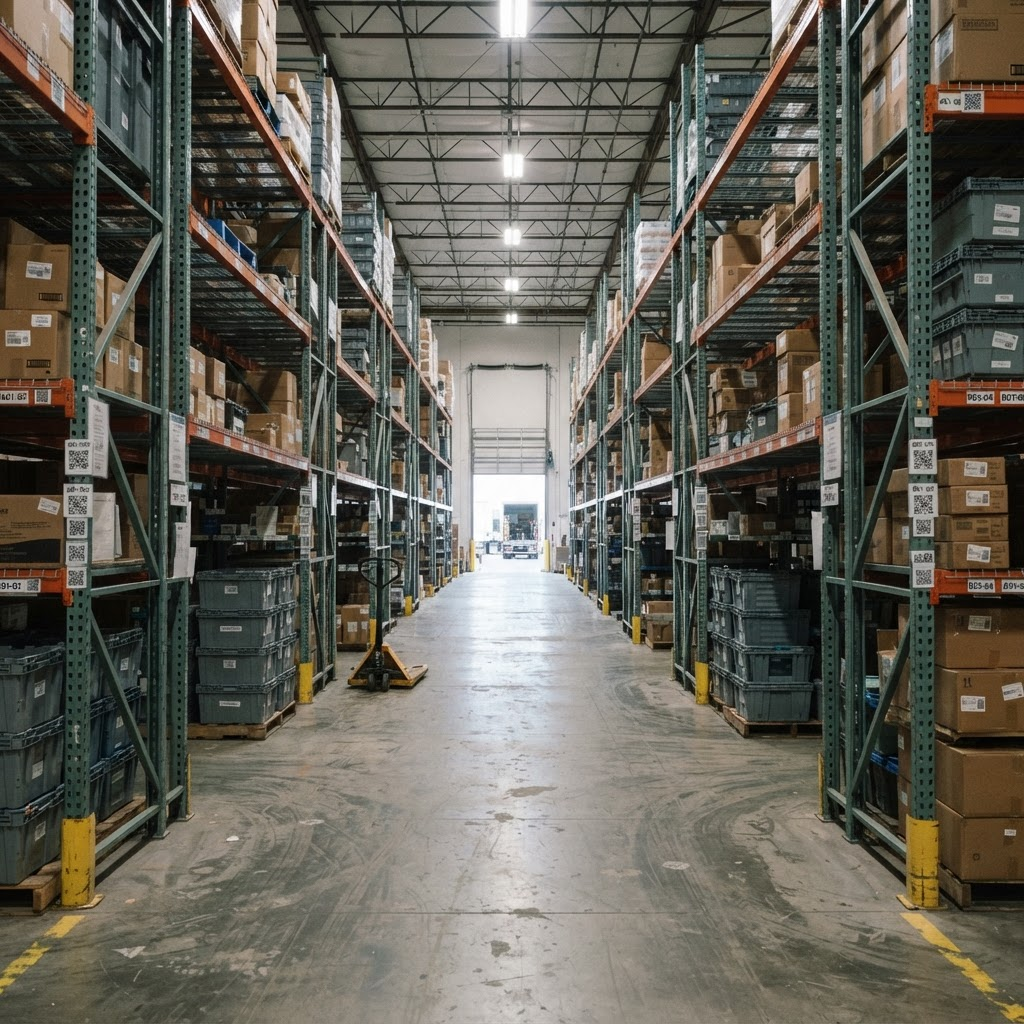
- Live, working fulfilment space, captured on shift across receiving dock, aisles, pack bench, sortation line, and loading dock, rather than a staged mock facility.
- How is fulfillment data billed?
- Per validated hour, quoted against the written spec before capture begins. Rejected items are recaptured at no cost, so a buyer pays only for data that clears the accept criteria.
- How are workers and bystanders protected during capture?
- Every contributor signs a release through a documented consent chain, and bystander faces, plates, and screens are blurred at ingest with a reviewer confirming the result. A clip that cannot be de-identified is discarded rather than shipped.
- Which delivery formats are supported?
- RLDS, LeRobot, and WebDataset, plus HDF5, zarr, and Rerun .rrd, the same formats used across every custom collection on this site.
- Can we start with a small pilot before committing to volume?
- Yes. A Spec Pilot is a small, fast first batch that proves the spec and accept criteria before scaling volume on demand.