Construction & trades

Egocentric Video Data for Construction and Skilled Trades

Construction and skilled-trades work — the measuring, fastening, fitting, and finishing tasks a crew performs on a jobsite — is exactly the kind of manipulation a robot or AI system needs to see from a first-person viewpoint before it can be trained on it. We capture that egocentric construction and trades data on demand, to a written spec, with the same consent, QA, and licensing process used across every custom collection on this site.
Setting
Jobsites and trade workspaces, specced per program
Streams
Head/wrist RGB, hand pose, action segments, as specced
First batch
Typically three to four weeks (thin-coverage setting)
License
Perpetual, buyer-owned
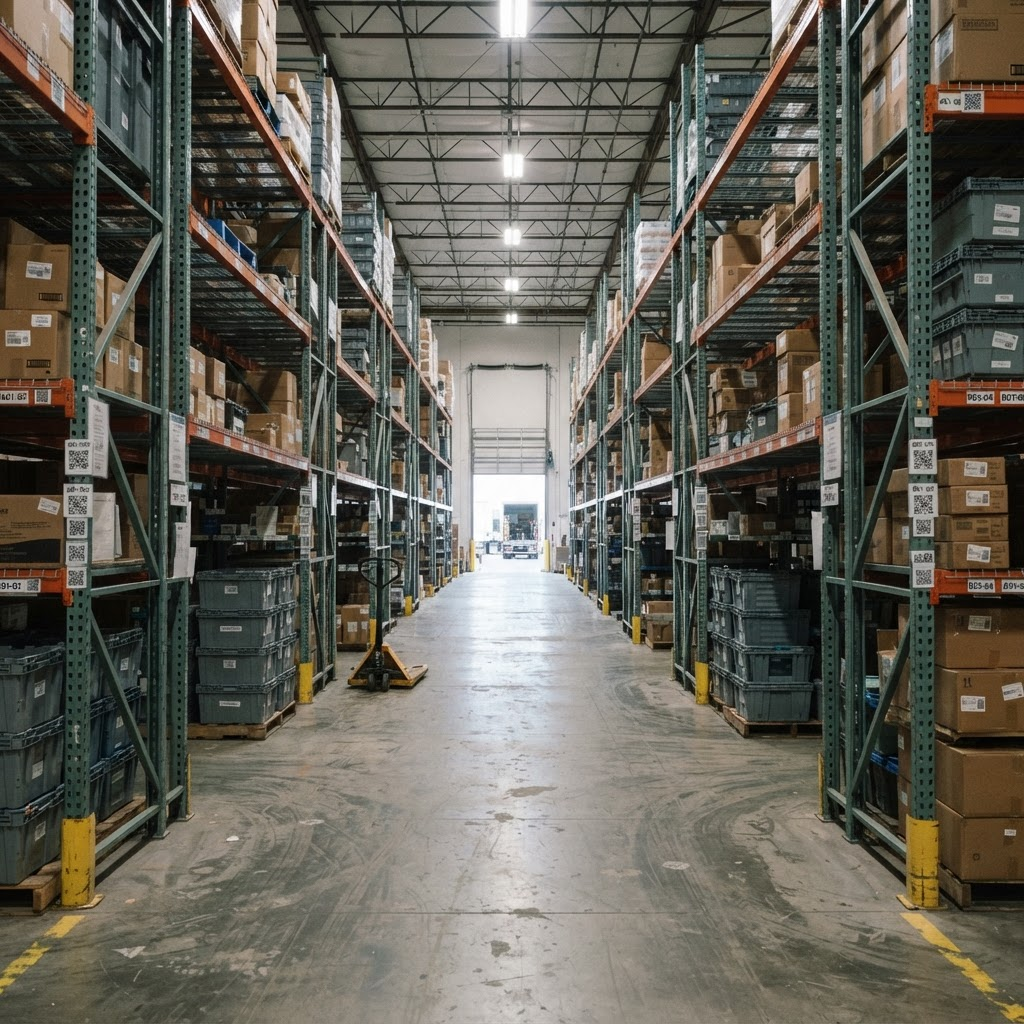
A first-person view of hands-on manual work, representative of the jobsite and trades tasks captured for construction and skilled trades egocentric data.
Construction and skilled trades is a thinner-coverage setting on this site, which changes how a capture program is scoped and timed.

Requirements

What does jobsite and trades capture need that other settings do not?

01

Site access and operator vetting is the bottleneck

Construction and skilled trades is one of the thinner-coverage environments on this site, alongside clinical, agriculture, and hospitality. The constraint is not demand for the task — it is vetting and scheduling operators who can be on a real jobsite, which is why this setting typically takes longer to reach a first batch than deeper-coverage settings like warehouse or kitchen capture.

02

A real, active jobsite, not a mock set

Capture happens on an actual construction site or in a real trades workspace, with other trades, equipment, and site conditions present, rather than a space arranged purely for the camera. That means the spec and capture plan have to work around the site’s own schedule and layout.

03

A named task list, not a generic trade label

“Construction” or “skilled trades” on their own are too broad to spec against. A workable capture plan names the specific tasks, tools, and steps a program needs — the same written skill spec format used for every other industry on this site.

04

Consent and anonymization on a shared site

A jobsite can put other trades, crew, and site personnel in frame who are not contributors to the collection, which raises the same bystander-protection requirement this site applies in every other shared-space setting.

Definition

What is egocentric construction and trades data?

Egocentric construction and trades data is first-person video of real jobsite and skilled-trades work — recorded from a camera positioned near the worker’s own point of view, at a chest mount, head rig, or wrist camera, rather than a fixed overhead or side-angle camera. That viewpoint matters for training a robot or AI system to perform the same task, because it sees the work the way a robot’s own onboard camera would see it, rather than from an angle no robot will ever occupy.

The underlying capture, labeling, QA, and licensing process is the same one used across every custom collection on this site: a written skill spec describing the tasks and setting, paid and consented contributors performing the real work, synchronized sensor streams recorded alongside the video, and per-batch QA before delivery. What changes for construction and trades is the setting and the task list written into that spec, and the fact that this is a thinner-coverage environment on this site — the same relationship this site’s industry page describes between every industry setting it covers.

Fit

Which jobsite and trades tasks are a good fit for capture?

A good fit for capture is any trade task a crew performs the same way, by design, as part of a defined job: a measuring and marking sequence, a fastening or fitting routine, a finishing pass, a tool hand-off between steps. The kind of structure a written skill spec is built to describe is a named, repeatable task with clear start and end points, not an open-ended description of “construction work” in general.

Highly improvised, one-off, or site-specific tasks that do not repeat in a consistent way are harder to specify cleanly and are usually a worse starting point than a task the trade already performs to a consistent method. If a use case spans tool use and bench-style fitting work rather than a jobsite setting specifically, this site’s tool use and assembly page may be a closer fit — the two pages are complementary rather than overlapping.

From workflow to spec

How is a trades task written into a skill spec?

A construction or trades collection starts the same way any custom collection on this site does: you describe the jobsite or trade tasks your training pipeline needs covered — which trade, which tasks, which tools, which steps matter, and which failure cases need to be represented. That becomes a written skill spec naming the task list, the setting, the participant mix, capture tier, annotation depth, and accept criteria, quoted for reach, timeline, and price before any capture begins.

Because this is a thinner-coverage environment on this site, the spec and quote also account for the added time it takes to vet and schedule operators with the right site access and trade background, rather than assuming the same availability as a deeper-coverage setting.

Many programs start with a Spec Pilot, a small, fast first batch that proves the spec and accept criteria on a limited set of tasks before scaling to full volume. That lets a buyer confirm coverage and label quality on a single task or trade before committing to capture across a larger program.

Capture setup

What does the capture setup look like on a jobsite?

The same capture tiers used across every Firsthand collection apply to construction and trades work: a phone in a chest mount for a fast, low-friction capture, up to a head rig or multi-camera setup for richer stream coverage, chosen to match the spec’s requirements. Streams recorded alongside the video can include hand pose and action segments, synchronized to the video under the same hardware-alignment standard used across the catalog, with the exact stream set specced per program.

A jobsite presents constraints a controlled workspace does not: other trades and equipment sharing the same space, site schedules that leave limited capture windows, and conditions that vary site to site rather than one fixed layout. Capture is planned around the site’s own schedule rather than requiring the jobsite to pause for the camera.

Labeling

How are trade steps labeled and segmented?

Raw video alone does not tell a model what happened in a task, which is why captured footage is broken into the same structure used across every collection on this site: action segments marking the start and end of each discrete step, episodes grouping a full task attempt from start to finish, and hand pose tracking the fine manipulation that a video frame alone does not resolve.

A fastening or fitting task, for example, segments into its component steps rather than being labeled as one undifferentiated clip. That step-level structure is what lets a training pipeline learn the individual actions inside a task, not just recognize that “a task happened.”

Failure and recovery cases are part of that same labeled structure — a misaligned fastener, a redo of a measuring step, a dropped tool and recovery. Representing how a real worker catches and corrects a mistake, not only the clean version of a task, is part of what a written spec can call out as a requirement for the batch.

Privacy

How are workers and bystanders protected during capture?

Every custom collection ships under a documented consent chain, with each episode linked to a signed contributor release. Faces and screens anywhere in frame are detected and irreversibly blurred at ingest, with a reviewer confirming the result before anything is delivered.

On a shared jobsite, that same anonymization standard applies to anyone who appears in frame who is not a consenting contributor to the collection — the same bystander-protection approach this site applies in every other setting where people other than the task performer are present. A clip where someone in frame cannot be properly de-identified is handled the same way it is everywhere else on this site: discarded rather than shipped with a caveat.

Licensing

Who owns the data and how is it licensed?

The buyer. Every custom collection, including a construction and trades program, is delivered under a perpetual, non-exclusive commercial license by default, with exclusivity available, so the finished dataset can be trained on and productized without a research-only or unstated licensing arrangement.

Delivery is billed and licensed the same way as any other collection on this site — against the accept criteria named in the written spec, with rejected items recaptured at no cost to the buyer before anything ships. Pricing is quoted per spec rather than published as a flat rate, because the right capture tier, annotation depth, and volume vary by program; see the pricing page for how a quote is built.

Delivery formats

What formats does the data ship in?

Construction and trades data ships in the same formats available for any custom collection on this site: RLDS, LeRobot, and WebDataset, plus HDF5, zarr, and Rerun .rrd, or raw streams with metadata if your pipeline needs the unprocessed form. Readable converter source ships alongside the data, so the schema can be retargeted to your own loader rather than locking you into one format.

Getting started

How do you start a construction or trades capture program?

Describe the jobsite or trade tasks, tools, and failure cases your training pipeline is missing. That becomes a written spec covering the task list, setting, participant mix, capture tier, annotation depth, and accept criteria, quoted for reach, timeline, and price before capture begins.

From there the program runs through the same end-to-end pipeline as every Firsthand collection: contributor recruiting, capture on site, per-batch QA, anonymization, and licensed delivery, with on-demand top-ups available afterward against the same accept criteria. Because this is a thinner-coverage setting, a first batch typically lands in three to four weeks rather than the faster median available in deeper-coverage settings — a timeline that is quoted up front rather than assumed from a different industry.

At a glance

What you get.

Starting point
Written skill spec naming the jobsite or trade tasks, tools, and objects
Setting
Jobsite or trade workspace specified per program
Streams
Head/wrist RGB, hand pose, action segments, as specced
Privacy
Faces and screens blurred at ingest; undeidentifiable clips discarded
QA
Calibration, sync, and label review before delivery
License
Perpetual, non-exclusive, buyer-owned by default
Formats
RLDS, LeRobot, WebDataset, HDF5/zarr, Rerun RRD

Every collection runs through the same seven-stage end-to-end custom collection pipeline. End-to-end custom data collection is a managed service that takes an AI data need from problem to owned dataset in a single accountable pipeline.

Task coverage

Trades task family × typical steps × what the delivered data contains

Example construction and skilled-trades task families, the steps each one breaks into, and what the delivered data captures for each, as named in a written spec.
Task familyTypical stepsWhat the delivered data contains
Measuring and markingMeasure, mark, verify to toleranceSkill spec steps, action segments per measurement, hand pose
Fastening and fittingAlign, fasten, verify seatingAction segments per fastening step, episode grouping full sequence, hand pose
Tool use and hand-offsTool selection, use, hand-off between stepsAction segments, hand pose for grip and transfer
Finishing and inspectionFinish pass, visual check, correctionAction segments, episode, hand pose for fine manipulation

Capture constraints

Capture concern on a jobsite × how the process handles it

Constraints specific to capturing on a real jobsite or trade workspace, and how the written-spec, QA, and privacy process addresses each.
Capture concernHow the process handles it
People in frame (other trades, crew)Faces and screens blurred at ingest; undeidentifiable clips discarded rather than shipped
Site access and operator vettingLonger lead time quoted up front; typically three to four weeks for a first batch in this thin-coverage setting
Shared, active worksiteCapture scoped and scheduled around the site’s own layout and schedule rather than requiring a pause in work
Task variation between site and site, or worker to workerSpec names the task once; multiple contributors captured performing it to represent real technique variation

FAQ

Construction and skilled trades egocentric data, answered.

What is egocentric construction and trades data?
First-person video and synchronized sensor data of real jobsite and skilled-trades tasks, captured on site and labeled into action segments, episodes, and hand pose, following the same process used across every custom collection on this site.
Why does construction and trades data take longer to deliver than other settings?
Construction and skilled trades is a thinner-coverage environment on this site, alongside clinical, agriculture, and hospitality. The bottleneck is vetting and scheduling operators with the right site access, not demand for the task, which is why a first batch typically takes three to four weeks rather than the faster median available in deeper-coverage settings.
Can you capture a specific trade or jobsite task type?
Yes, scoped the same way as any custom collection: describe the trade, tasks, tools, and setting your spec needs, and that becomes the basis for the written skill spec.
How are other trades or crew protected if they appear in frame?
The same way every bystander is handled across this site: faces and screens are detected and irreversibly blurred at ingest, confirmed by human review, and a clip is discarded rather than shipped if someone cannot be properly de-identified.
How are failure and recovery cases captured in a trades dataset?
They are part of the same labeled structure as the clean version of a task — a misaligned step, a dropped tool, or a redo is captured and labeled, which a written spec can call out as a requirement for the batch.
Who owns construction and trades data captured this way, and how is it licensed?
The buyer. Delivered data carries a perpetual, non-exclusive, buyer-owned commercial license by default, with exclusivity available, the same as any other custom collection on this site.
Which formats does construction and trades data ship in?
RLDS, LeRobot, and WebDataset, plus HDF5, zarr, and Rerun .rrd, or raw streams with metadata — the same formats available for any custom collection, with readable converter source included.
How do you start a construction or trades capture program?
Describe the jobsite or trade tasks, tools, and failure cases your training pipeline needs. That becomes a written spec quoted for reach, timeline, and price, typically starting with a Spec Pilot before scaling to full volume.
Sources

Where are these construction and trades data formats documented?

Need a custom construction or trades dataset?

Tell us the jobsite or trade tasks your training pipeline needs covered. We will turn it into a written skill spec and run a Spec Pilot before scaling to a full collection.