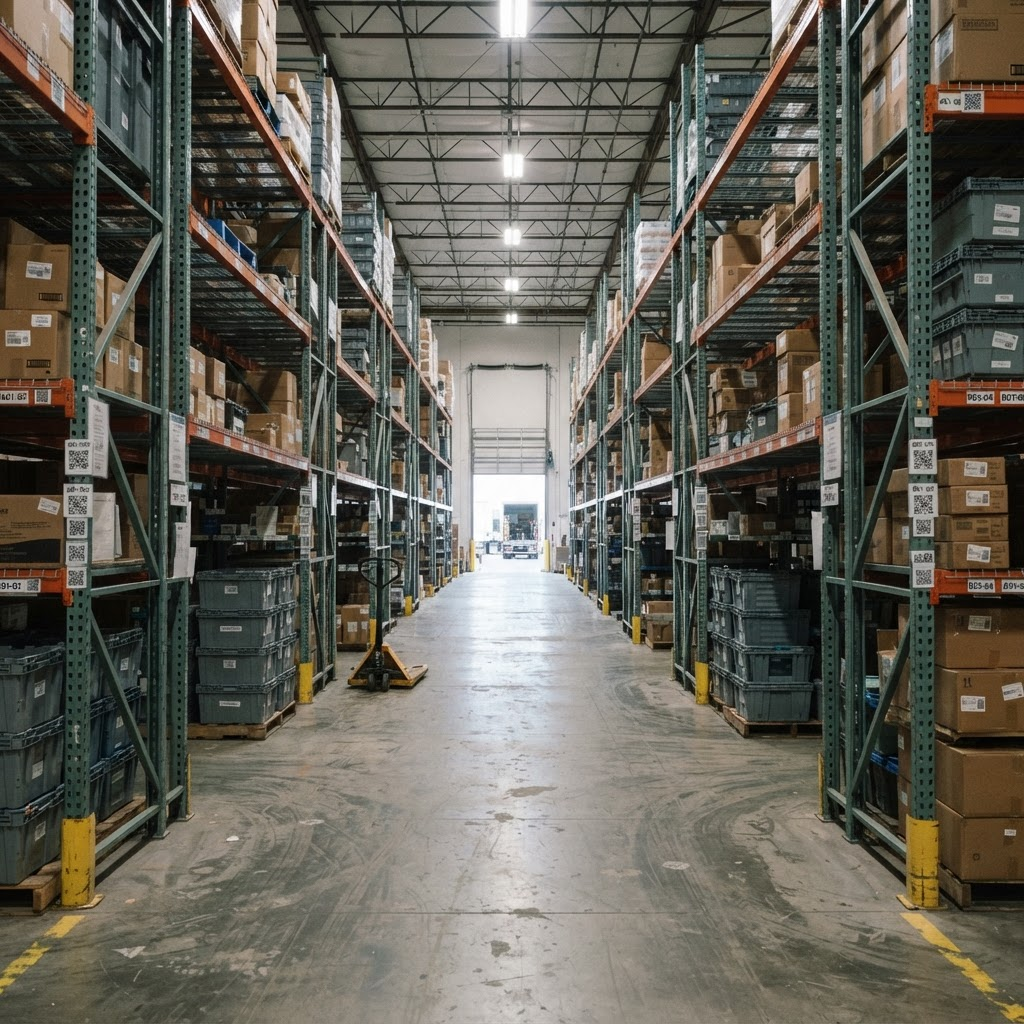
- What is egocentric video of real workplace tasks?
- It is first-person video of people doing actual job tasks — not staged recreations — captured on head- and wrist-mounted cameras in the real setting where the work happens, against a written skill spec.
- Why does on-the-job POV video matter for AI and robot training?
- A model that will act in a workplace needs training data that reflects the clutter, pace, and interruptions of that workplace, not a cleaner, slower lab recreation. Egocentric capture also gives the first-person reach geometry a fixed overhead camera cannot.
- Which workplace settings and tasks can be captured?
- Warehouse picking, retail shelf stocking, automotive service bay work, tool use and assembly, and kitchen food preparation are the settings currently captured. Each has its own dedicated page with example tasks and dataset detail.
- How is a workplace task turned into a skill spec?
- The setting, tasks, scenes, streams, labels, and delivery format are written into the same skill spec format used for every custom collection, so a warehouse pick-and-pack task and a bench assembly task are specified the same way.
- What is captured in each workplace episode?
- Synced head and wrist RGB, depth derived from the calibrated stereo rig, 6-DoF IMU on the hardware-triggered PTP clock, 21-joint 3D hand pose, and frame-accurate action segments.
- How are consent, site permissions and privacy handled at work sites?
- Every bystander is blurred at ingest, and clips where a bystander cannot be de-identified are discarded. Consent is documented as part of the capture process, the same as for any other custom collection.
- How is workplace task data QA’d and delivered?
- Every episode passes calibration, sync, and label review before delivery, and ships in RLDS, LeRobot, WebDataset, HDF5/zarr, or Rerun RRD format under a perpetual, buyer-owned license.
- How do you start a custom workplace task collection?
- Start with a written skill spec for the setting and tasks you need, and run it through a Spec Pilot — a small, fast first batch — before committing to the full collection.